How to Pack a Carry-On With Merino Wool
I'm a 5th generation Merino wool grower from Boorowa, NSW, and I've lived in Austin, Texas for the last 7 years. I travel a lot — back to Australia regularly, and with work to wherever the brand takes me.
A few weeks ago I spent two weeks in India. Hot, humid, long days, and a lot of moving around between cities.
I packed one tee, one polo, and two button-downs. All Sir W. Merino. That was the entire shirt rotation for the trip.
It worked. Not because I'm tough on packing. Because the fabric does the heavy lifting.
Most travel advice tells you to pack less. Fine in theory — the problem is your clothes don't cooperate. Cotton holds sweat. Polyester holds smell. Both of them mean you're packing more to compensate. Merino doesn't have that problem.
Why Merino changes the math on packing
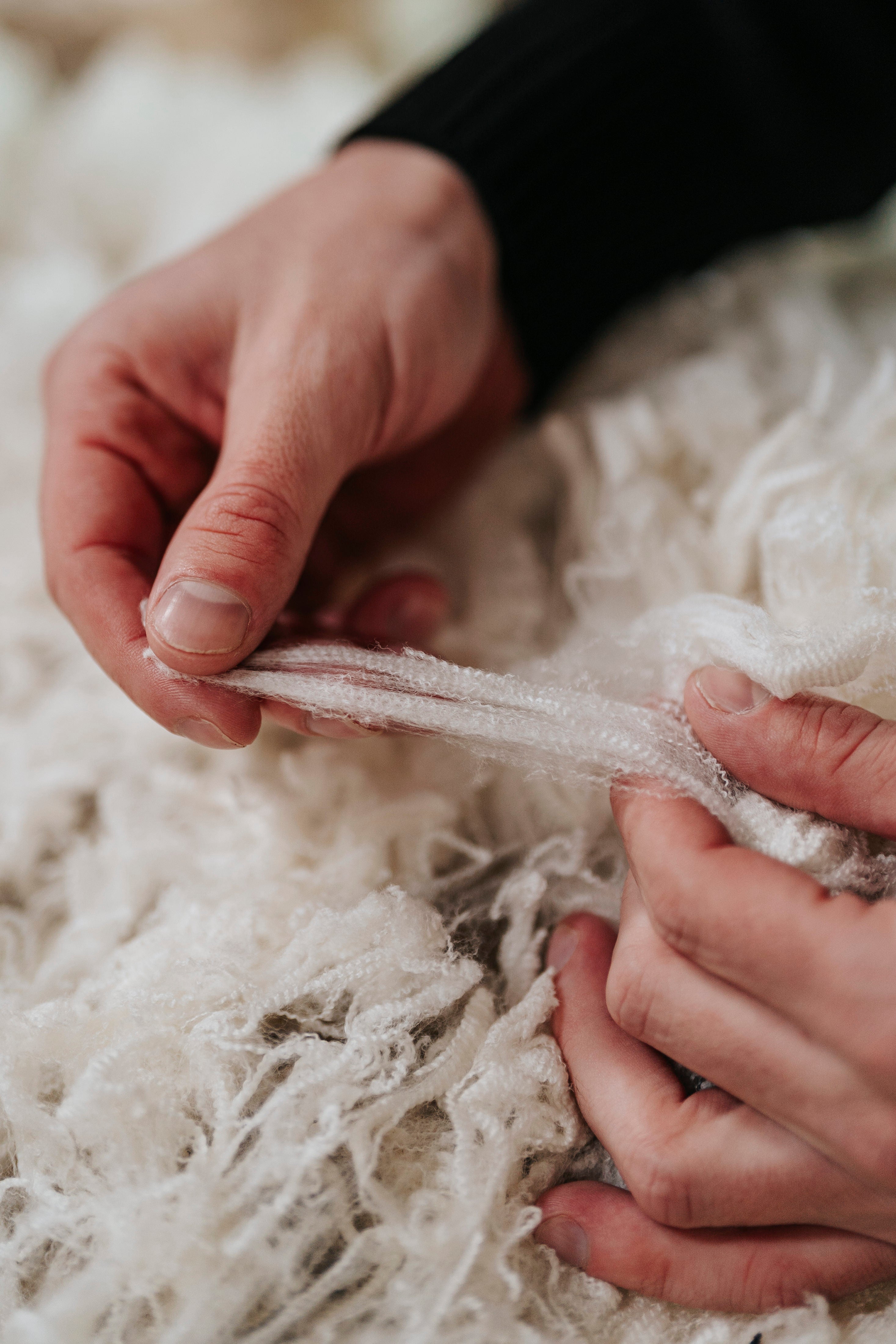
Here's the simple version: sheep grow wool to regulate their own body temperature in the paddock. Same flock, summer and winter, 105°F days and frost in the morning. The fibre is doing the work, not the sheep. When you put that fibre on your back, it does the same job for you.
That means one Merino shirt can handle a humid morning in Delhi, an over-air-conditioned hotel lobby, a freezing cabin at altitude, and a Sydney summer at the other end. The same shirt. You're not packing for three climates anymore. You're packing for one fabric.
What I actually pack
For most trips — including a recent two-week run through India — here's the kit:
• 1 Merino tee
• 1 Merino polo
• 2 Merino button-downs
• 1 pair of chinos
• 1 pair of jeans
• Underwear and socks (Merino if you can find them — most of mine are)
That's it. The button-downs handle dinners and meetings. The polo covers the in-between. The tee is for the gym, the hotel, and the days you don't want to think about it.
I rotate them. I wear a shirt for a day, hang it overnight, wear it again two days later. Merino doesn't hold odor the way other fabrics do, so you can genuinely do this without anyone noticing — including you.
The wash situation
People always ask about washing on the road. Honest answer: I do it less than you'd think. When you do need to wash a Merino shirt on a trip, it's a sink wash. Warm water, a bit of soap, knead it like dough for thirty seconds, rinse, roll it in a towel to get the water out, hang it overnight. By morning it's dry. No tumble dryer required, and you shouldn't be putting Merino in a dryer anyway.
If you want to get fancy you can pack a flat sink stopper and a small bottle of wool wash. Hand soap works.
Why this isn't a hack, it's just the fabric
Most "travel capsule wardrobe" content online is dressed-up affiliate marketing. People list the same five brands, take the same flat-lay photo, and the underlying advice is the same recycled stuff.
The reason my packing list is short isn't because I figured out a clever system. It's because I've spent 30 years around this fibre and I trust what it does.
My family started growing Merino wool well over a hundred years ago, and well before commercial air travel existed. The fabric has been doing this job longer than the suitcase has.
When I pack four shirts for two weeks, I'm not roughing it. I'm using the product properly.
The bottom line
If you're tired of overpacking, start with the shirt. One Merino shirt for a week of work. Wear it, hang it, wear it again. See what it actually does before you commit to overhauling your wardrobe.
The packing problem usually isn't your suitcase. It's what's in it.
Start with one. The Sir W. Merino polo is where most people begin — it's the piece I get the most comments on, and the one most people tell me is their favorite shirt within a week. You can find it here.
How many Merino wool shirts do I need for a two-week trip?
Four is plenty for most trips. One tee, one polo, and two button-downs covers casual, smart casual, and dressed-up settings. Merino's odor resistance lets you re-wear shirts without washing every time, which is what makes the small number work.
Can you really re-wear Merino wool shirts without washing?
Yes, and it's the main reason Merino works for travel. The fibre is naturally antimicrobial because of lanolin and its structure, so it doesn't hold body odor the way cotton or polyester does. You can comfortably wear a Merino shirt three or four times between washes on the road.
How do you wash Merino wool in a hotel?
Sink wash with gentle hand soap and warm water. Knead gently for about 30 seconds, rinse, roll in a towel to remove water, and hang overnight. It's dry by morning. Don't wring it hard and don't use hot water.
Does Merino wool wrinkle in a suitcase?
Less than cotton or linen. Merino has natural elasticity, so packed shirts recover quickly when you pull them out. A few minutes on a hanger in a steamy bathroom and it's ready to wear.
Is Merino wool too warm for hot-weather travel?
No. Sheep wear it through Australian summers — the fibre regulates temperature both ways. Lighter weights (around 150 gsm) are ideal for hot climates and feel closer to a t-shirt than a sweater.
What weight of Merino is best for travel?
For most travelers, 150–200 gsm hits the sweet spot. Light enough for warm climates, warm enough to layer in cold ones. Heavier weights are better for genuinely cold trips or as outer layers.