G'day,
Most weeks I get some version of the same question, just worded differently: "What actually makes merino different?" I've answered bits of it here and there — a paragraph in a care guide, an aside in a packing list — but I never sat down and put the whole thing in one place. So I did. It's called the Merino Field Guide, and it's four short chapters on the fibre, written the way I'd explain it to you over a beer rather than the way a marketing department would explain it to a focus group.
Here's roughly what's in it, and why I bothered. None of it's new information if you've read my other posts — the care guide, the fibre science piece, the comparison table — but I wanted one address I could point people to, rather than making a customer dig through the blog archive to answer a question that should take two minutes.
Chapter One: The Fibre Itself
Merino wool isn't spun the way cotton or polyester are. Each fibre grows with a natural crimp — a tight wave, like a coiled spring — which is what gives merino its stretch and its loft without a scrap of elastane in the yarn. The fibre itself is also far finer than regular wool, which is the whole reason it doesn't itch the way your granddad's jumper did. Fine fibres bend against the skin instead of poking it. That's not a finishing trick, it's just what a well-bred Merino sheep grows — the finer the fibre, the higher the grade, and the better it behaves against skin.
Chapter Two: Temperature Regulation
This is the chapter I get asked about most, usually as some version of "how does wool keep me cool in Texas summer?" The short answer: the same crimped structure that gives merino its stretch also traps a layer of still air against your skin, and that air buffers you against heat from both directions — it slows outside heat getting in, and it helps wick moisture away from your skin so evaporation can do its job. It's not magic, it's just physics that a synthetic fibre can't replicate, because it can't grow the structure merino grows.
Chapter Three: Odour Resistance
Sweat itself doesn't smell. What smells is bacteria feeding on it, and bacteria need a surface to multiply on. Polyester is smooth and hydrophobic, so sweat sits on top of it and bacteria throw a party. Merino's fibre surface and its chemistry make it a much poorer host, so the odour simply doesn't build the same way. I've worn the same Bruce for a full day of Austin heat and had it come out the other side smelling like, well, nothing much. That's not me being precious about it — it's in the Europe trip I've written about before: two weeks, three shirts, zero washes, and nobody at that wedding in Kilkea Castle was any the wiser.
Chapter Four: Care, Simplified
The short version, which I've written about at length elsewhere: you mostly don't need to wash it as often as you think, and when you do, cold water and a gentle cycle is all it wants. No dry cleaning, no fuss. I put the long version in the guide because "trust me" isn't much of an argument on its own, and I'd rather show you the reasoning than just assert it.
Why I Wrote It Down
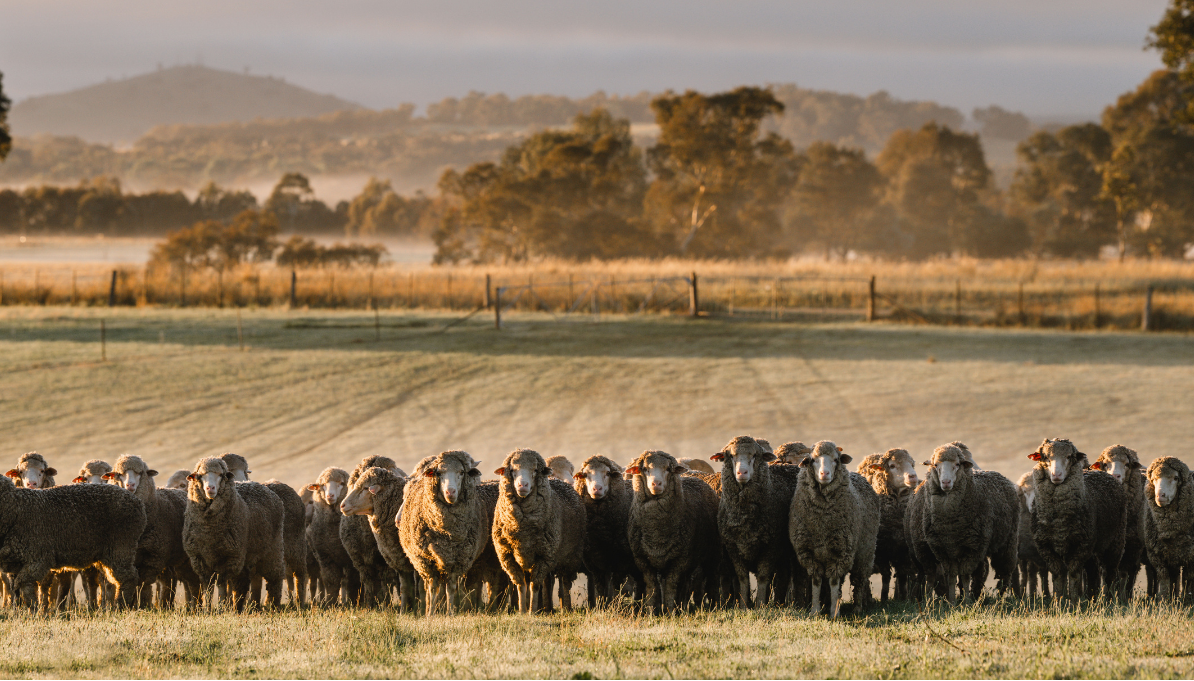
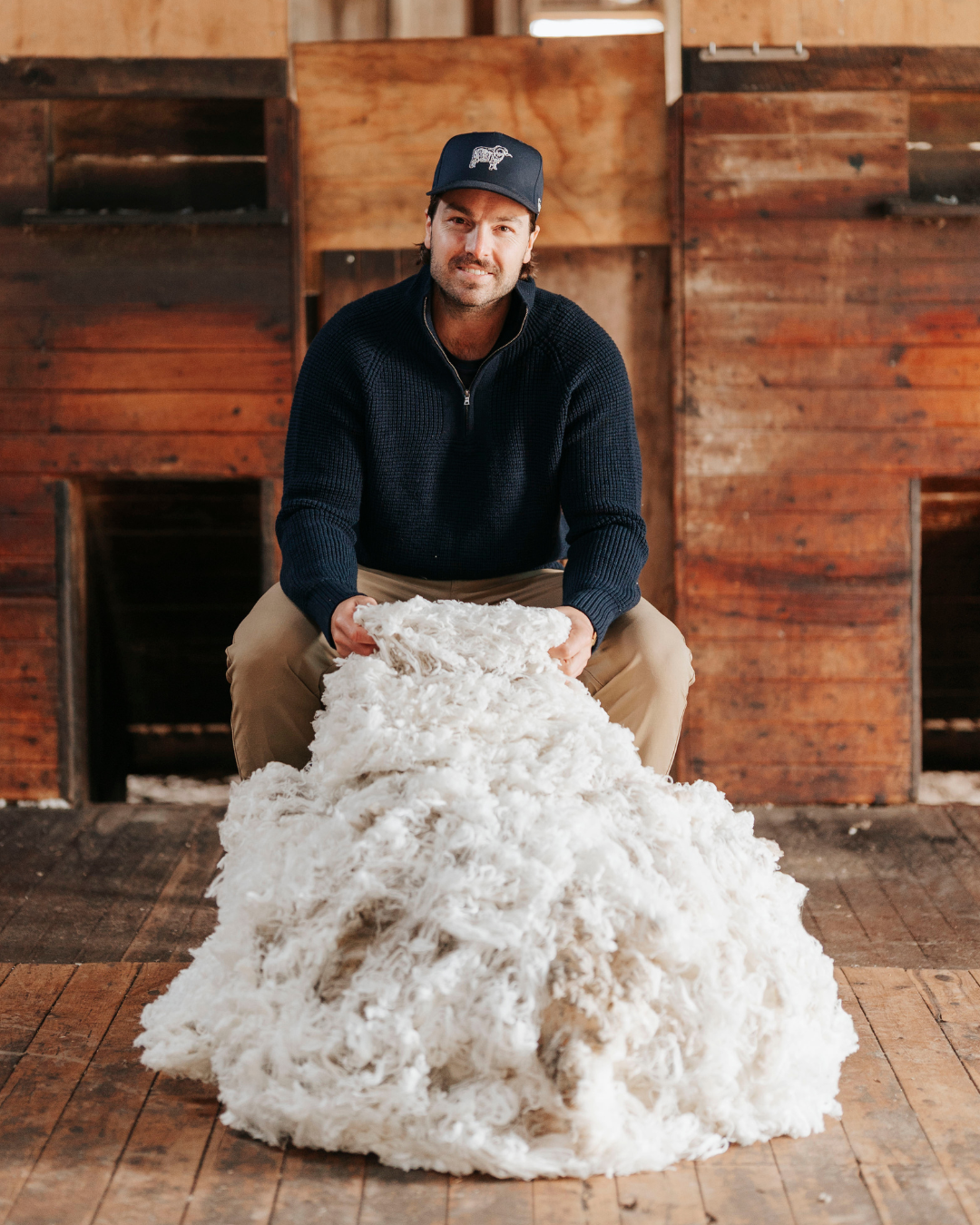
Partly because I got tired of repeating myself in emails. But mostly because I think if you're going to spend real money on a shirt, you're entitled to understand what you're buying and why it costs what it does. A lot of what's sold as "performance wear" is just petroleum dressed up with a good ad campaign. Merino has been doing this job, unglamorously, since before performance fabric was a category. My family's been growing it at Merryville, our stud back in Boorowa, since 1880 — not because we're sentimental about it, but because nothing else does the job as well.
If you want the full version with the diagrams and the detail I didn't have room for here, it's all in the Field Guide. It's not going anywhere, so bookmark it if you're the type who likes to check the facts before you spend, and come back to it whenever the question comes up again — because it always does, usually from whoever's sitting next to you on the plane wondering why your shirt still looks fresh twelve hours in.
And if you'd rather just feel the difference than read about it, the Starter Set is the easiest way to try all three shirts at once.
— Jock Merriman, Founder · 5th generation