Is Merino Good for Travel? Yes — and Here's Why It Changes Packing
A 5th-generation Australian wool farmer's guide to why merino wool is the most useful thing you can pack — and how it changes the math on travel.
By Jock Merriman, Founder of Sir W. Merino
Short answer: yes. Merino wool is genuinely the best fabric available for travel — better than cotton, better than polyester, better than the "performance" gear most travel brands sell. A few weeks ago I spent two weeks in India for work and packed four shirts total. All merino. The kit worked because the fabric did the work — not because I'm tough on packing.
I grew up around merino. My family has been growing it since 1880, and it's the world I built Sir W. Merino out of.. So I'm not neutral. But for travel specifically, the case is overwhelming.
Here's why merino works on the road, the practical math on packing fewer shirts, and the realistic limitations worth knowing.
The Quick Answer
Merino wool is excellent for travel because it does five things no other common fabric does well:
- Regulates temperature across hot and cold climates without changing layers
- Resists odour, so you can wear the same shirt for multiple days
- Dries fast — overnight after a sink wash
- Doesn't wrinkle badly, even after 20 hours in a carry-on
- Lasts long enough that travel wear doesn't kill it
The result: one merino shirt replaces about three cotton ones in your bag. A merino-based travel wardrobe is dramatically smaller, lighter, and more versatile than the alternatives.
If you've never tried it, the easiest way in is The Starter Set — one tee, one polo, one button-up. Three shirts that handle most of what travel asks of you.
Why Merino Specifically Works for Travel
Travel is a stress test for clothing. You move between climates, sweat under different conditions, sit in the same shirt for 15+ hours on a flight, and have limited laundry options. Most fabrics fail at least one of these. Merino passes all of them.
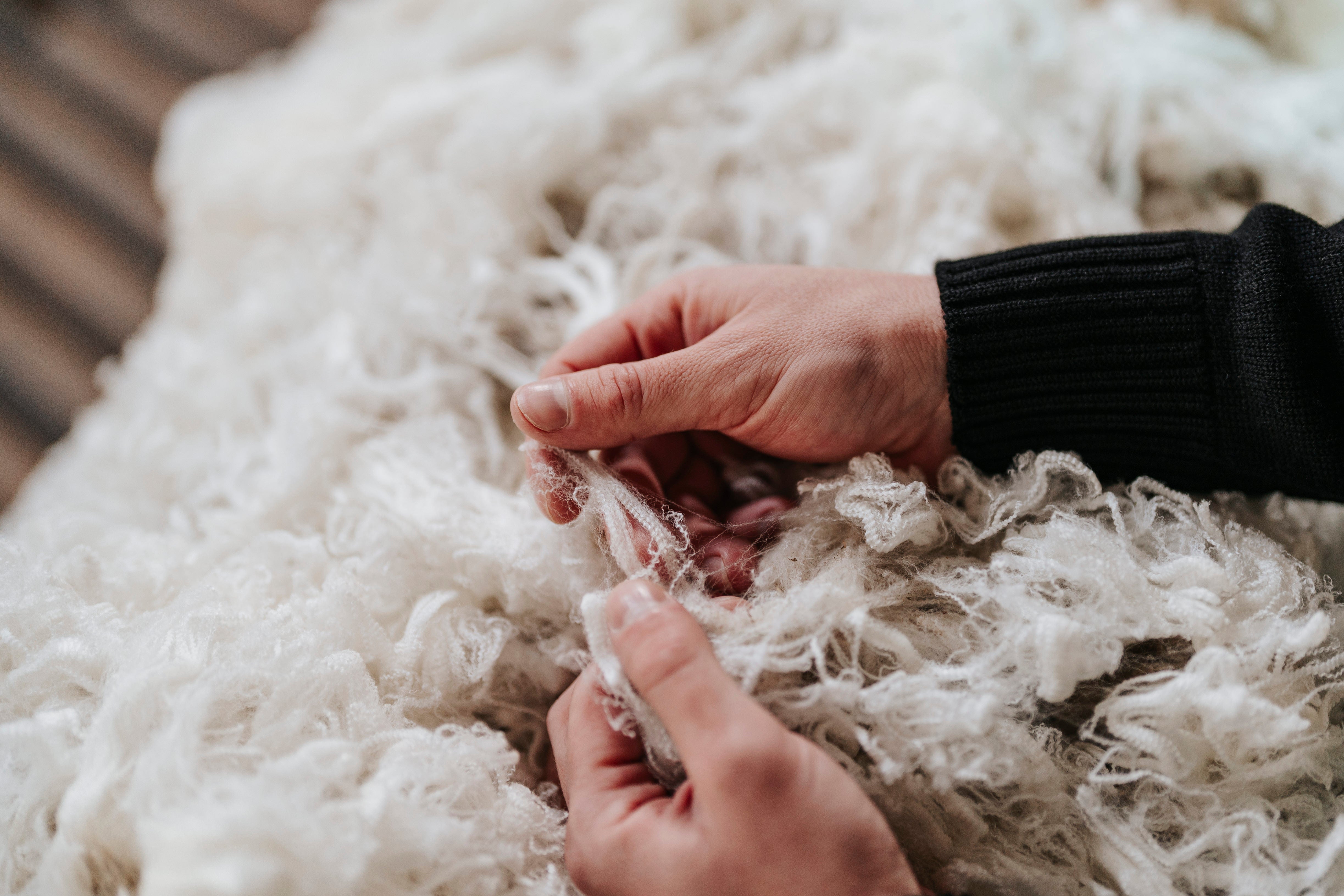
The reason comes from where the fibre originated. Merino sheep evolved to wear the same fleece year-round on the Australian high country — through stinking hot 105°F summers and frosty winter mornings. The fibre regulates temperature both ways because the sheep needed it to. When you put it on, it does the same job for you.
This isn't marketing language. It's biology. (See how merino is grown →)
1. Temperature Regulation Across Multiple Climates
This is the single biggest reason merino works for travel.
A typical international trip might involve: leaving home in summer, hours in a 60°F airport, 15 hours in a 60°F cabin, arriving in a different climate altogether. That's three or four climate transitions in 24 hours.
Cotton handles one of those climates well — mild and dry. Polyester handles none of them well. Merino handles all of them because the fibre's natural crimp creates air pockets that trap warmth in cold conditions and wick moisture in heat.
In practical terms: one merino shirt feels comfortable across a 60°F temperature swing. You don't change shirts when you walk from a warm street into a freezing airport. You don't strip layers when you step off the plane. The same shirt works. (More on merino's temperature regulation →)
For travel, that's the difference between packing one shirt per day and packing one shirt per type-of-climate.
2. Odour Resistance — The Real Game-Changer
Merino wool is naturally antimicrobial. The fibre's structure, combined with trace lanolin even after scouring, makes it inhospitable to the bacteria that cause body odour.
In practice, this means you can wear a merino shirt for three or four days between washes and it still smells fresh. I'm not exaggerating — I've worn the same merino shirt through three days of meetings in Delhi, hung it overnight, and worn it again on day four. Nobody noticed because there was nothing to notice.
Cotton holds odour after one day. Polyester holds odour permanently. Neither lets you re-wear without washing.
The math:
- Cotton travel wardrobe: one shirt per day = seven shirts for a week
- Polyester travel wardrobe: one shirt per day, plus extras for active days = eight or nine shirts
- Merino travel wardrobe: one shirt per 3 days = two or three shirts for a week, with one rotated for variety
This is how four merino shirts cover two weeks. The shirts wear longer between washes than any other fabric.
3. Fast Drying for Sink Washing
When you do need to wash on the road, merino dries dramatically faster than cotton. Cotton absorbs water into the fibre, where it has to evaporate from inside. Merino releases moisture from the surface as vapour, which evaporates faster.
The practical drill:
- Rinse the shirt in warm water with a bit of hand soap
- Knead for 30 seconds — don't wring or twist
- Rinse until clear
- Roll in a hotel towel to absorb water
- Hang in the bathroom overnight
By morning, the shirt is dry. Cotton in the same conditions stays damp until late afternoon. Polyester dries fast but never feels clean because of how it bonds with odour.
This single capability is what makes one-bag travel realistic. If a shirt can be washed overnight, you don't need backup shirts for "what if I spill something."
4. Wrinkle Resistance Out of the Bag
Cotton wrinkles. Linen is worse. Merino — particularly fine merino in a quality construction — has natural elasticity that lets the fibre return to its shape after compression.
Pack a merino button-up in a carry-on, take it out 20 hours later, hang it for ten minutes in a steamy bathroom, and it looks pressed. Try the same with cotton and you'll be looking for an iron.
For business travel especially, this matters. You can land off a long-haul flight and walk straight into a meeting without ironing, steaming, or doing the awkward "let me change real quick" before the airport coffee.
5. Durability Through Travel Stress
Travel is hard on clothing. Friction from backpack straps. Sweat. Sun. Repeated stuffing in and out of bags. Quick washes in less-than-ideal conditions.
Cotton shirts subjected to this regime usually look tired within 18 months. Polyester technical shirts hold up structurally but start smelling permanently after a few months.
A well-made merino shirt — properly cared for — handles 4-7 years of regular wear including frequent travel. The fibre is more resilient than people assume because it evolved to handle weather extremes outdoors, not in a closet.
What I Pack for Two Weeks of Travel
For most international trips, here's the kit:
- 1 merino tee — The Cassius, for the flight and warm days
- 1 merino polo — The George, tucked at meetings, untucked at dinner
- 2 merino button-ups — The Bruce, for evenings and dressier days
- 1 pair of chinos, rolled
- 1 pair of jeans, rolled
- Underwear and socks (merino where possible)
That's four shirts plus essentials. Two weeks of versatile wear in one carry-on bag.
For shorter trips, I'd drop one of the button-ups. For colder destinations, I'd add a wool layer instead of swapping out the kit.
The principle: pack for the fabric, not for the day count. With merino, the same three or four shirts cover a far wider range of situations than seven cotton shirts would.
The Limitations Worth Knowing
I want to be honest. Merino isn't perfect for every travel situation:
Soaking-wet conditions. If you're going to be fully drenched repeatedly — heavy rain, water sports, certain endurance activities — synthetics dry faster when totally saturated. Though merino retains warmth when damp better than any synthetic.
Very rugged use. Merino tears more easily than heavy cotton canvas. For trekking through dense undergrowth or activities where you'll snag fabric on sharp objects, heavier-weight fabrics or synthetics are more appropriate.
Hot dryer cycles. Don't tumble dry merino. It's machine-washable on cold/gentle, but heat shrinks the fibre. If your travel laundry options are limited to commercial dryers, plan accordingly.
Upfront cost. A quality merino shirt is $90-150. Cotton can be $20-40. Over five years the math favours merino, but if budget is tight, start with one shirt instead of trying to overhaul the wardrobe.
For 95% of real-world travel — flights, business trips, multi-country itineraries, one-bag travel, weeks on the road — merino is genuinely the best fabric available.
How To Start: One Shirt for One Trip
If you've never travelled in merino, here's the simplest test:
- Buy one merino shirt — something versatile, like a polo or lightweight button-up
- Pack it for your next 3-5 day trip
- Wear it on the flight, the first day, the second day
- Hang it overnight after day two
- Wear it again on day three or four
If it doesn't feel different from any cotton shirt you've worn, you can write off the category. But almost everyone who does this test ends up replacing more of their travel wardrobe with merino over the next year.
The George polo is the shirt most people fall for first — versatile enough to wear anywhere, technical enough that you'll notice the difference within a couple of days.
Why I Built Sir W. Merino
I grew up working sheep on our family stud in Boorowa, NSW. My great-grandfather Sir Walter Merriman founded the stud in 1903, and was knighted by Queen Elizabeth II in 1954 for his contribution to the Australian Merino industry. Five generations on, my family still runs the operation, and it's the world I built Sir W. Merino out of.
(Read the full family story →)
When I moved to Austin, Texas in 2019, I noticed something. Most American men had wardrobes full of cotton and polyester — neither of which work well for travel. They were packing too many shirts, washing them too often, and arriving at their destinations looking less than fresh.
So I built Sir W. Merino around three shirts:
- The Bruce — the merino wool button-up that drapes like a dress shirt, breathes like a t-shirt, travels like a packable jacket.
- The George — the all-day polo. Tucked at the office, untucked at the airport bar.
- The Cassius — the merino athletic tee. Built for the gym, the flight, and everything in between.
If you travel regularly and want the easiest way to test the merino case, The Starter Set is all three shirts at $35 off vs buying separately. Pack them for one trip. You'll feel the difference.
Frequently Asked Questions
Is merino wool good for hot weather travel?
Yes. Sheep wear merino through Australian summers (over 100°F) and the fibre regulates body temperature in heat by wicking moisture and releasing it through evaporation. Lighter weights of merino (around 150 gsm) feel similar to a cotton t-shirt while performing better in heat and resisting odour.
Can you really wear merino wool for multiple days without washing?
Yes — and this is the main reason it works for travel. Merino is naturally antimicrobial because of its fibre structure and trace lanolin content. You can wear a merino shirt for 3-5 days between washes and it still smells fresh. This single property is what lets you pack fewer shirts.
How do you wash merino wool while travelling?
Sink wash. Warm water, a bit of hand soap, knead gently for 30 seconds, rinse, roll in a towel to remove water, hang overnight. The shirt is dry by morning. Don't wring, don't use hot water, and don't put it in a tumble dryer.
Does merino wrinkle in a suitcase?
Less than cotton or linen. Merino has natural elasticity, so packed shirts recover quickly when you take them out. A few minutes on a hanger in a steamy bathroom — or just half an hour of wear — and the shirt looks pressed.
Is merino warm enough for cold-weather travel?
Yes. Merino retains warmth even when damp, which most synthetics can't claim. For colder destinations, the same merino shirts work as base layers under a jacket. The fibre's air-trap structure means it insulates without bulk.
How many merino shirts do I need for two weeks of travel?
Most travellers can manage two weeks with 3-4 merino shirts: one tee, one polo, and one or two button-ups depending on the trip's formality. That's the entire shirt rotation. Cotton typically requires 7-10 shirts for the same trip; polyester requires 8-10.
Is merino worth the extra cost for travel?
For frequent travellers, yes — easily. Over a 5-year period of regular travel, a $125 merino shirt replaces multiple cotton shirts and saves space, weight, and laundry time. For occasional travellers, start with one shirt and see how it changes your packing before committing further. (See the cost-per-wear math →)
Jock Merriman is the founder of Sir W. Merino and a fifth-generation Australian wool farmer. His family has been growing Merino wool since 1880, and currently operates Merryville Stud — founded by Sir Walter Merriman in 1903 — in Boorowa, NSW. Jock lives in Austin, Texas, where Sir W. Merino is based. Read more about the family story →